
expense tracking spreadsheet receipts

Expense Tracking for Household Clarity

You cannot manage spending you do not measure accurately

Transaction Recording
Category Assignment
Pattern Analysis
Monthly Reviews

Tracking Importance

Most households dramatically underestimate actual spending

Memory lies about spending. Without tracking, households consistently underestimate expenditures by twenty to thirty percent. This gap explains why budgets fail despite good intentions. Accurate tracking reveals reality, enabling informed decisions instead of guesses.

Spending Awareness

Recording transactions creates consciousness about where money actually goes versus where you think it goes.

Pattern Identification

Three months of data reveals spending patterns invisible in single transactions or monthly totals.

Category Accuracy

Tracking exposes which categories consume more than allocated, requiring budget adjustment or spending reduction.

Progress Monitoring

Comparing tracked spending against budget targets shows whether financial plans align with reality or require modification.

Tracking Implementation

Simple system beats complex tracking abandoned

1

Choose Recording Method

Select tracking approach you will actually maintain consistently. Digital apps, spreadsheets, or notebooks all work when used daily.

2

Record Every Transaction

Capture all spending same day it occurs. Include cash purchases often forgotten in digital tracking systems.

3

Assign Categories Consistently

Use same category names for similar expenses. Consistency enables meaningful pattern analysis over time accurately.

4

Review Weekly Patterns

Check spending totals weekly. Compare against budget allocations. Identify category overruns early enough to adjust during month.

Tracking Methods Comparison

Mobile Applications

Digital apps link to bank accounts and categorize transactions automatically. Quick convenient recording reduces tracking friction significantly.

Mobile apps offer convenience through bank integration and automated categorization. They sync across devices and generate instant reports. Limitations include reliance on internet connectivity, privacy concerns about bank access, subscription costs for premium features, and potential over-complexity. Best for tech-comfortable households wanting automated tracking. Popular options include banking apps with built-in budgeting, dedicated expense trackers, and personal finance management platforms.
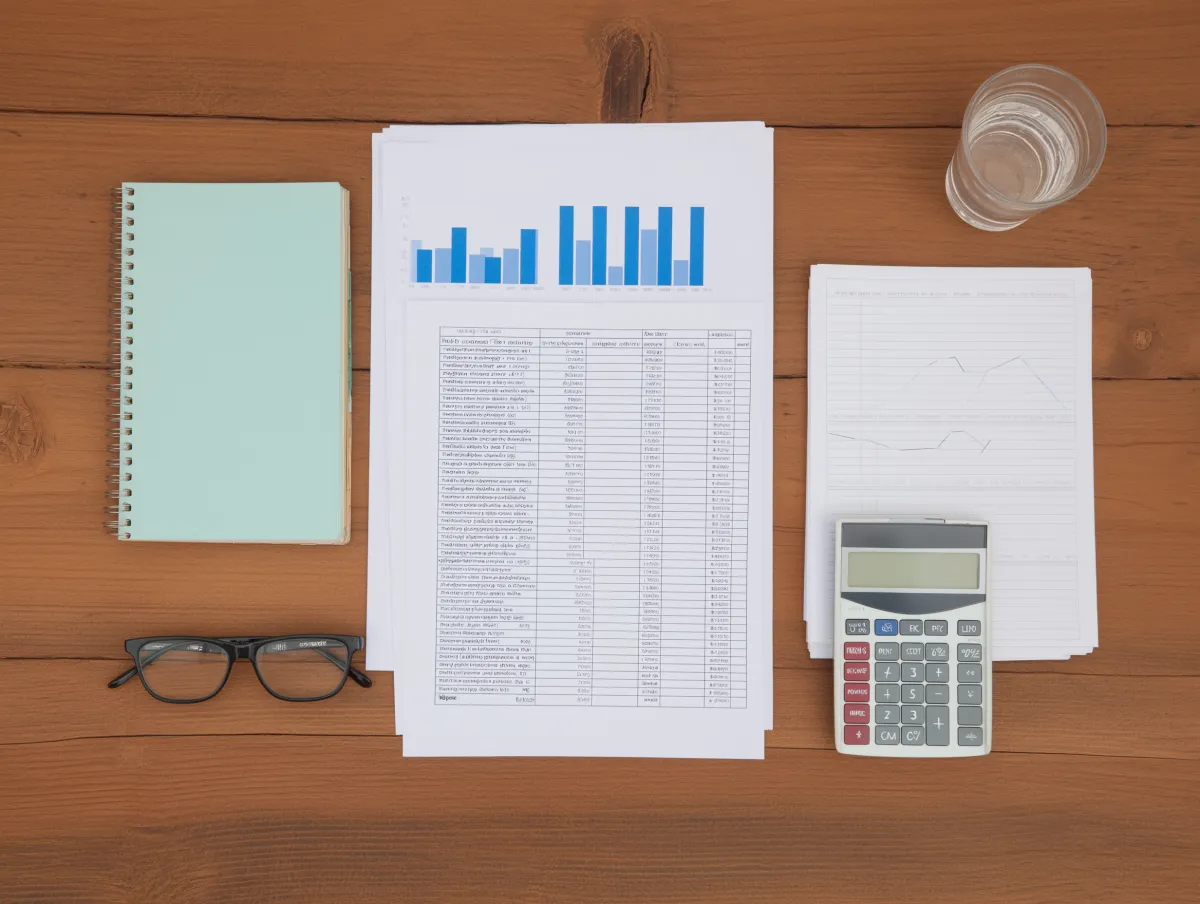

expense tracking notebook receipts

Start Simple

Complex tracking systems fail through abandonment. Start with basic categorization: essentials, debt, savings, discretionary. Record amounts and categories for every transaction. Review totals weekly. This simple practice reveals spending patterns without overwhelming effort. Add subcategories later if needed, but begin with sustainable simplicity. Three months of consistent basic tracking provides more insight than one month of detailed tracking followed by abandonment. The method you actually maintain beats the theoretically superior system you quit.

Track Everything

Small purchases add up significantly. Coffee, snacks, parking, app purchases, small cash transactions. These micro-expenses total hundreds monthly but disappear from memory immediately. They represent the gap between perceived spending and actual spending. Recording everything eliminates this blind spot. You discover that daily coffee costs twelve hundred rand annually, parking fees consume three hundred monthly, or forgotten subscriptions drain five hundred. Small leaks sink financial ships. Track them all regardless of amount.

Review Patterns

Individual transactions mean little. Patterns over time reveal spending reality. Review three months minimum before drawing conclusions. Look for categories consistently exceeding allocations, irregular spikes suggesting poor planning, and spending trends increasing over time. Compare weekday versus weekend spending, beginning versus end of month patterns, and seasonal variations. These patterns identify specific behaviors requiring adjustment rather than vague resolve to spend less everywhere.

Adjust Promptly

Tracking without response wastes effort. When categories exceed allocations, take immediate corrective action. Reduce discretionary spending to compensate, reallocate budget amounts to match reality, or identify specific expenses to eliminate. Waiting until month end means overspending already occurred. Weekly reviews enable mid-month corrections preventing budget failures. Tracking creates awareness. Adjustment creates results. Both are required for financial improvement.

budget analysis chart review

Tracking Tips

Practical techniques for consistent expense recording

Record Transactions Immediately

Capture spending same day it occurs. Memory degrades rapidly. Evening recording of morning purchases often misses transactions entirely. Immediate recording takes thirty seconds and ensures nothing gets forgotten.

Include Cash Purchases

Cash transactions disappear from tracking easily since they lack digital records. Note cash spending immediately in phone or pocket notebook. Cash often funds discretionary purchases needing closest monitoring.

Categorize Consistently

Use identical category names for similar purchases. Groceries stays groceries, not sometimes food or shopping. Consistency enables accurate pattern analysis and comparison across months.

Review Weekly Minimums

Check category totals weekly. Compare against budget allocations. Identify overruns while time remains to adjust. Monthly reviews come too late to prevent overspending that already occurred.